
Vol. 31 No. 336 (2026)
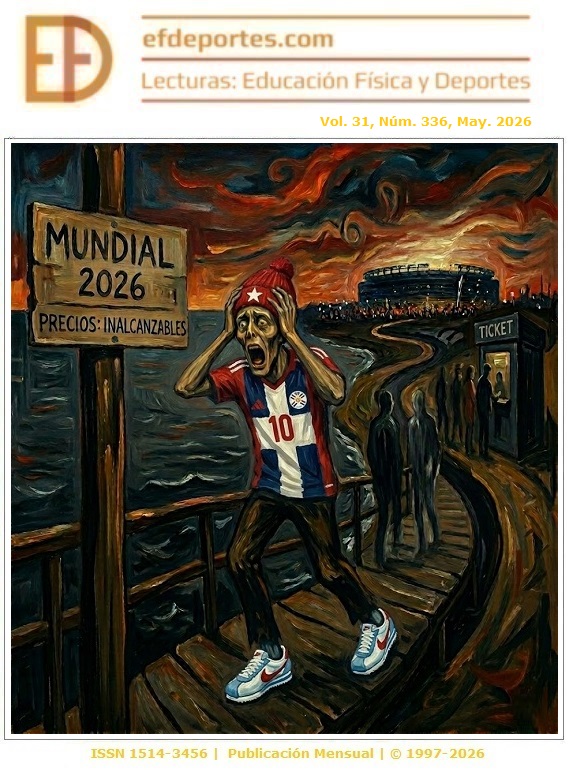
The World Cup of Exclusivity
The countdown to the 2026 World Cup has entered its critical phase, and not precisely for sporting reasons. As we approach the opening whistle at the Azteca Stadium, the conversation in the virtual stands doesn't revolve around tactics or star players, but rather the astronomical cost of witnessing history. We are facing what is already shaping up to be the most expensive World Cup of all time. FIFA has implemented, for the first time in a men's World Cup, the dynamic pricing model, a common strategy in the US market but foreign to the tradition of global soccer. This has inflated ticket prices exorbitantly, especially as the final stages progress.
It is ironic that the biggest tournament in history -with 48 teams and 104 matches- seems to be closing its doors to the average fan. FIFA justifies these prices by appealing to "adaptation to the domestic market" and the need to generate revenue for its 211 affiliated federations. Paradoxically, soccer has always boasted of being the world's most popular sport. But when following your national team during the group stage can cost a fortune, the sport risks becoming a theatrical spectacle for a privileged class.
If the 2026 World Cup is to be remembered as a success, it shouldn't be measured solely by the billions of dollars in revenue, but by its ability to fill those imposing stadiums with the vibrant and diverse energy that only the true fan -and not just the deepest wallet- can provide. Soccer is at stake, and this time, the price of tickets dictates that the stadium gates open only to an exclusive and exclusionary elite.
Tulio Guterman, Director – May 2026
Published:
2026-05-02